There’s a quiet shift happening in e-commerce, and most people haven’t noticed it yet.
Not because it’s small. Because it doesn’t look like what we expect e-commerce growth to look like.
No warehouses. No shipping containers. No supply chain delays.
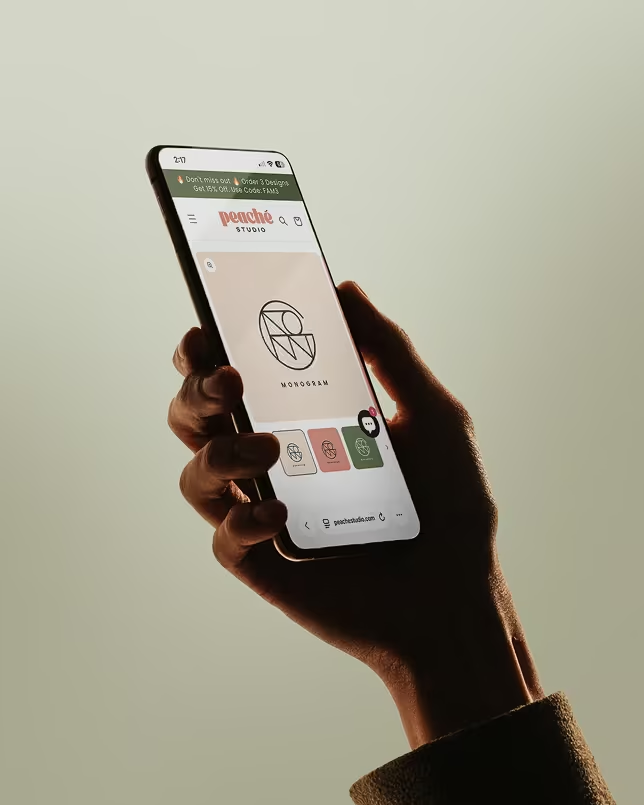
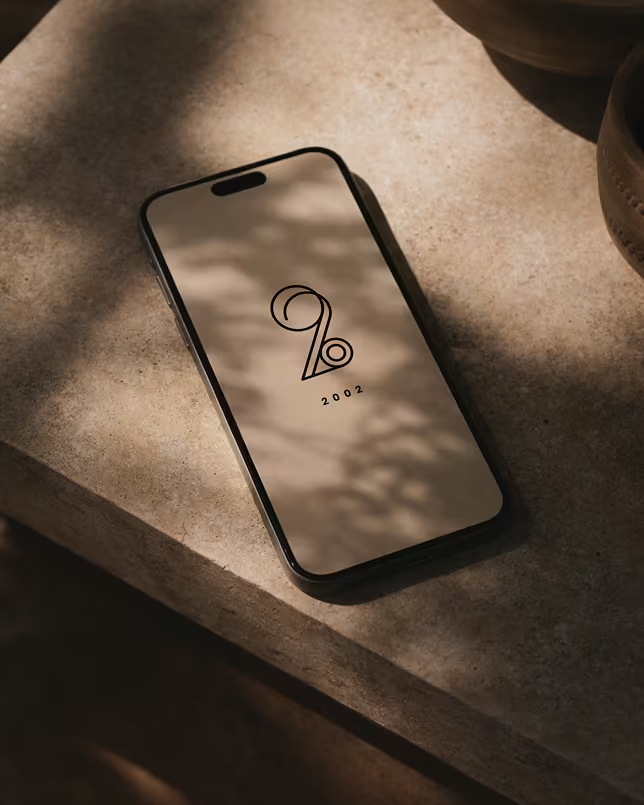
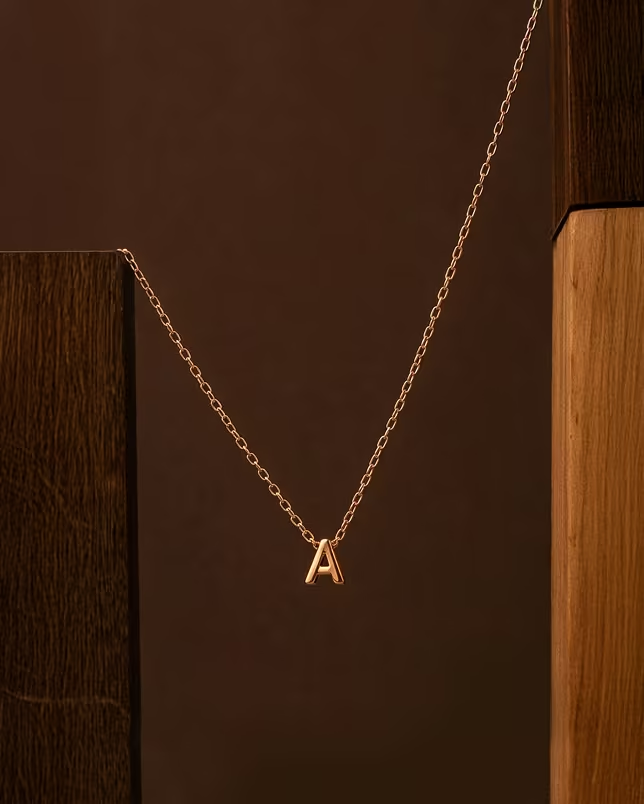
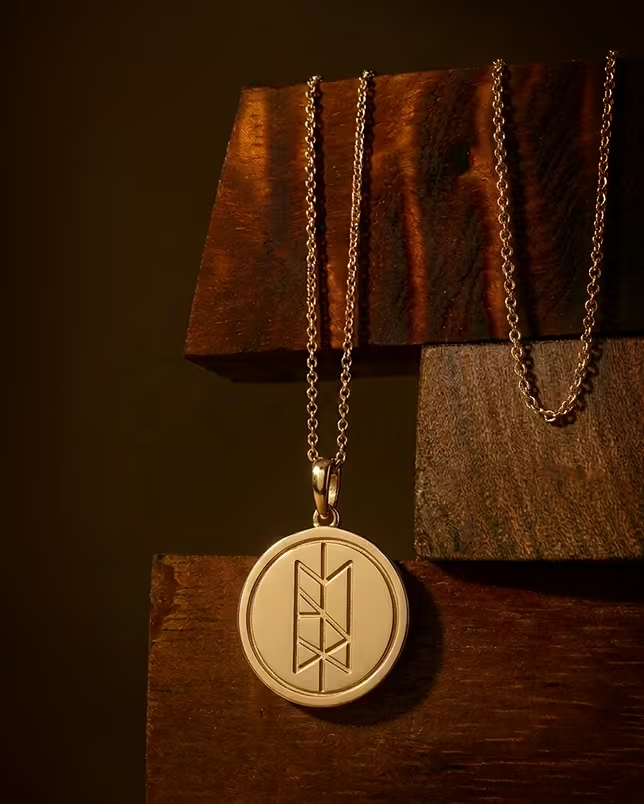
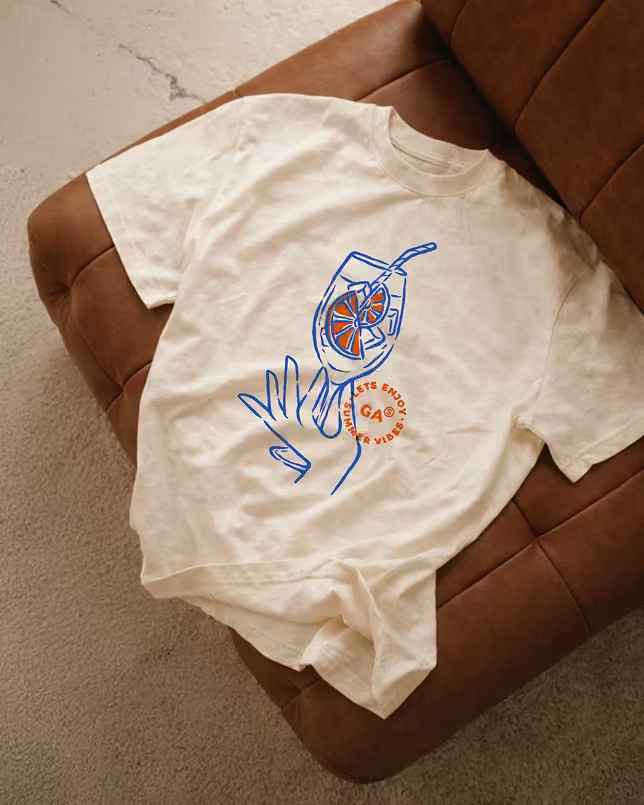
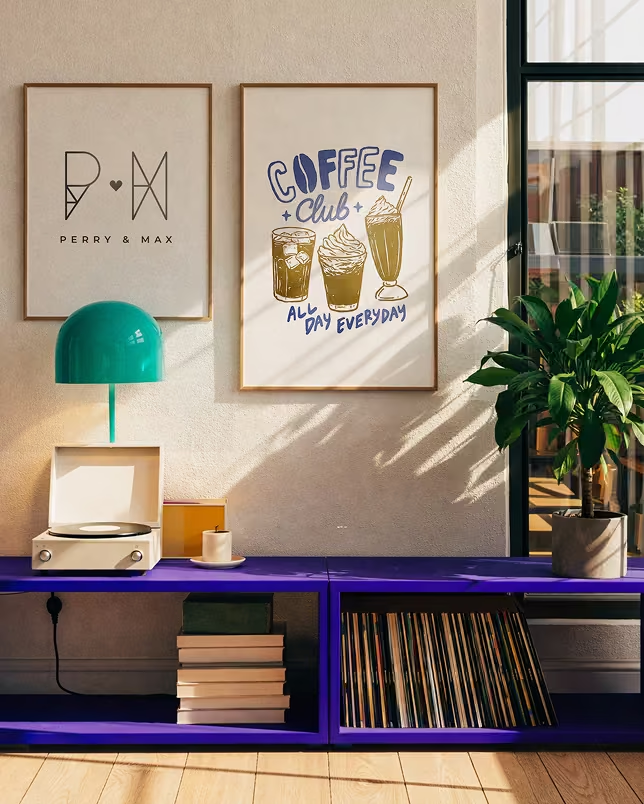
Digital art, from custom monograms and typography prints to AI-assisted illustrations and generative design, is becoming one of the fastest-moving product categories online.
And the numbers back it up.
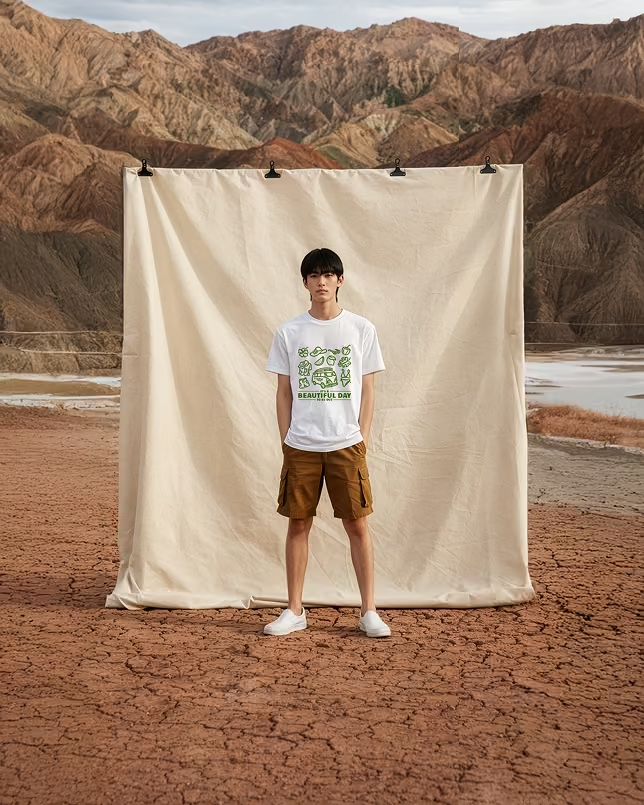
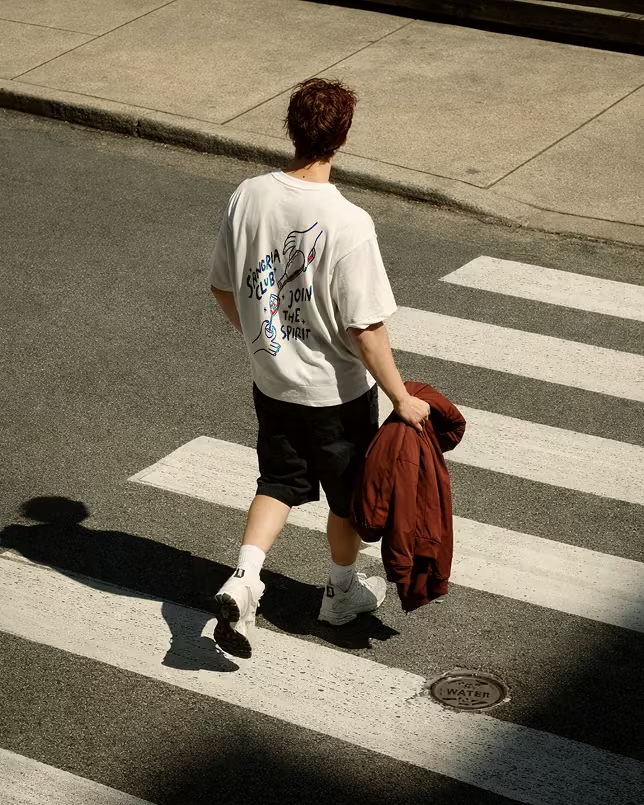
The print-on-demand market is projected to hit $12.96 billion in 2026, growing at 26% year-on-year.
But behind that number is a more interesting one: the share of revenue driven by digital-first products is climbing faster than physical goods.
The product is the file.
Why it’s growing, and why it won’t stop
-
Instant delivery.
The customer buys, the product arrives. No tracking number, no waiting, no returns. Digital art removes the weakest part of e-commerce: logistics. -
Personalisation at scale.
Custom designs that were once expensive and slow are now accessible in hours. The value stays. The friction disappears. -
Low overhead, high margin.
No stock. No dead inventory. No markdowns. Just scalable digital distribution. -
AI as a creative accelerant.
It’s not replacing artists. It’s helping creators produce faster, iterate better, and reach markets that were previously inaccessible.
What this means for product brands
If you sell physical products, digital art isn’t competition — it’s leverage.
Brands can extend into downloadable prints, wallpapers, packaging art, and more without manufacturing complexity.
The studios that figure this out early won’t just sell more. They’ll build ecosystems that scale beyond traditional e-commerce limits.
Common Store Co builds and operates product brands across physical and digital categories.
Digital art is one of them, and we think it’s just getting started.